
Our Mission
The Chronic Pain Project empowers people living with chronic pain to express themselves, connect to others, and educate the larger community through art.
Our Values
01. Creativity
Art conveys what words cannot. Our work should give people with chronic pain a way to express and process their experiences while allowing others to see and feel those stories in deeper ways.
02. Education
Chronic pain needs to be understood. Our work helps people learn how chronic pain impacts lives and how art can provide empowerment, resilience, and acceptance for both the artist and the community.
03. Community
Community builds strength and understanding. Our work connects artists with each other and with their allies, caregivers, and providers.
04. Empathy
We listen and believe. Our work honors people's experiences of chronic pain without judgment, recognizing that each person's journey is unique and valid.
05. Authenticity
Be who you are. Everyone involved with the organization should participate as themselves and never feel that they have to be something they are not
06. Art
Everyone is an artist.

Our Team
Who We Are
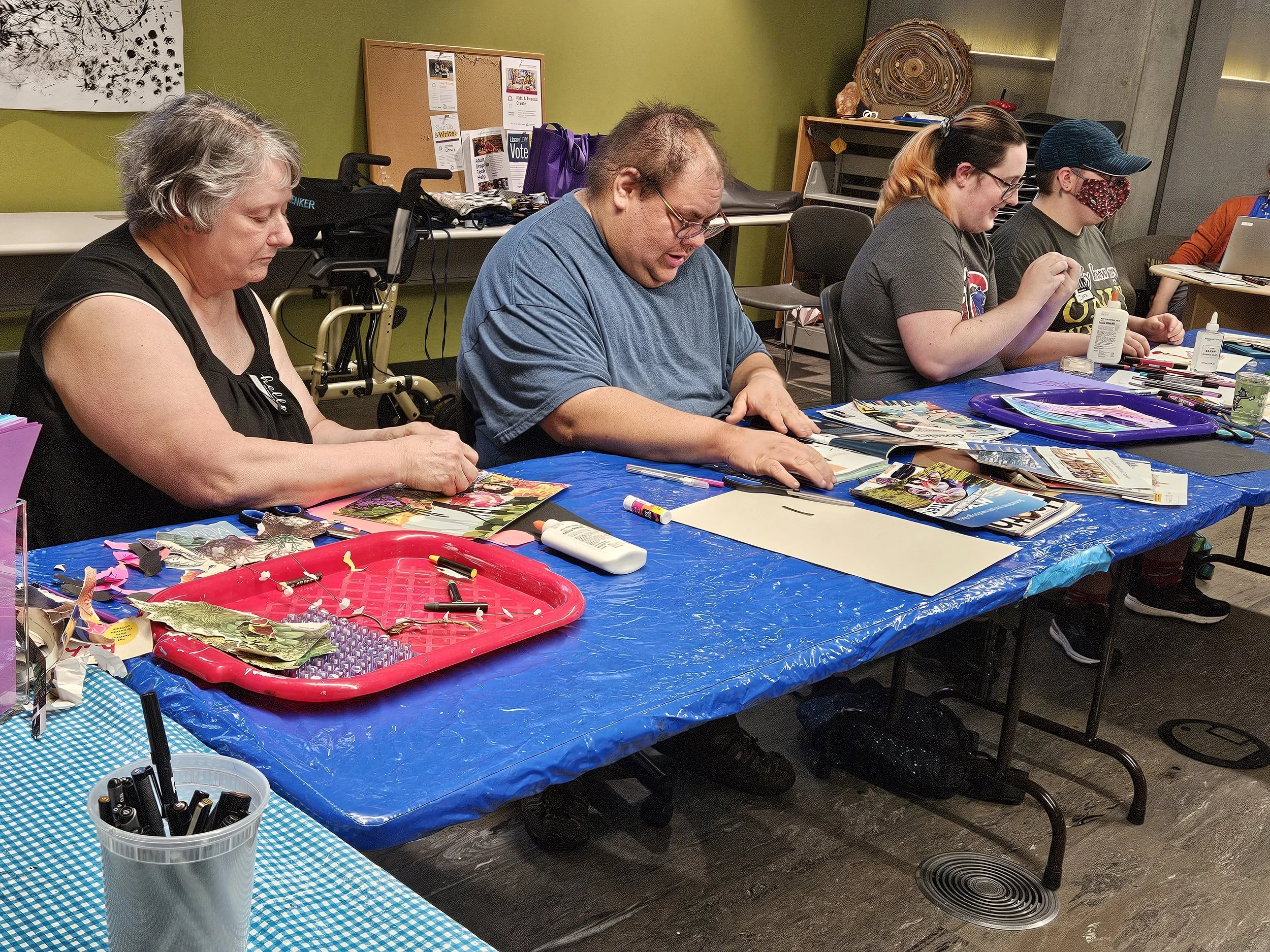
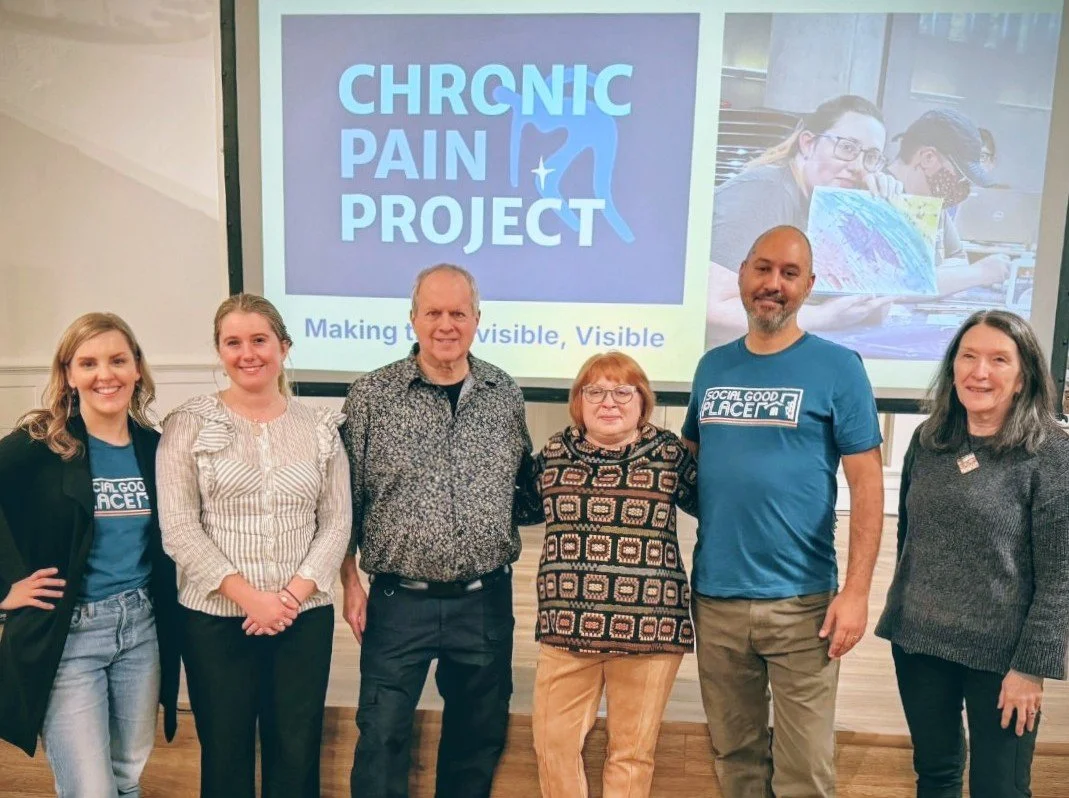
We are an all-volunteer group of individuals who believe that creating community and providing education to friends, caregivers, family, allies, and health professionals can create a better experience of living with chronic pain.
What We Do
The Chronic Pain Project creates visibility for artists living with chronic pain through curated exhibitions, workshops, and community programming. We work with approximately 60 artists internationally, empowering them to tell their own stories while educating communities through authentic lived experiences.
Board of Directors
-
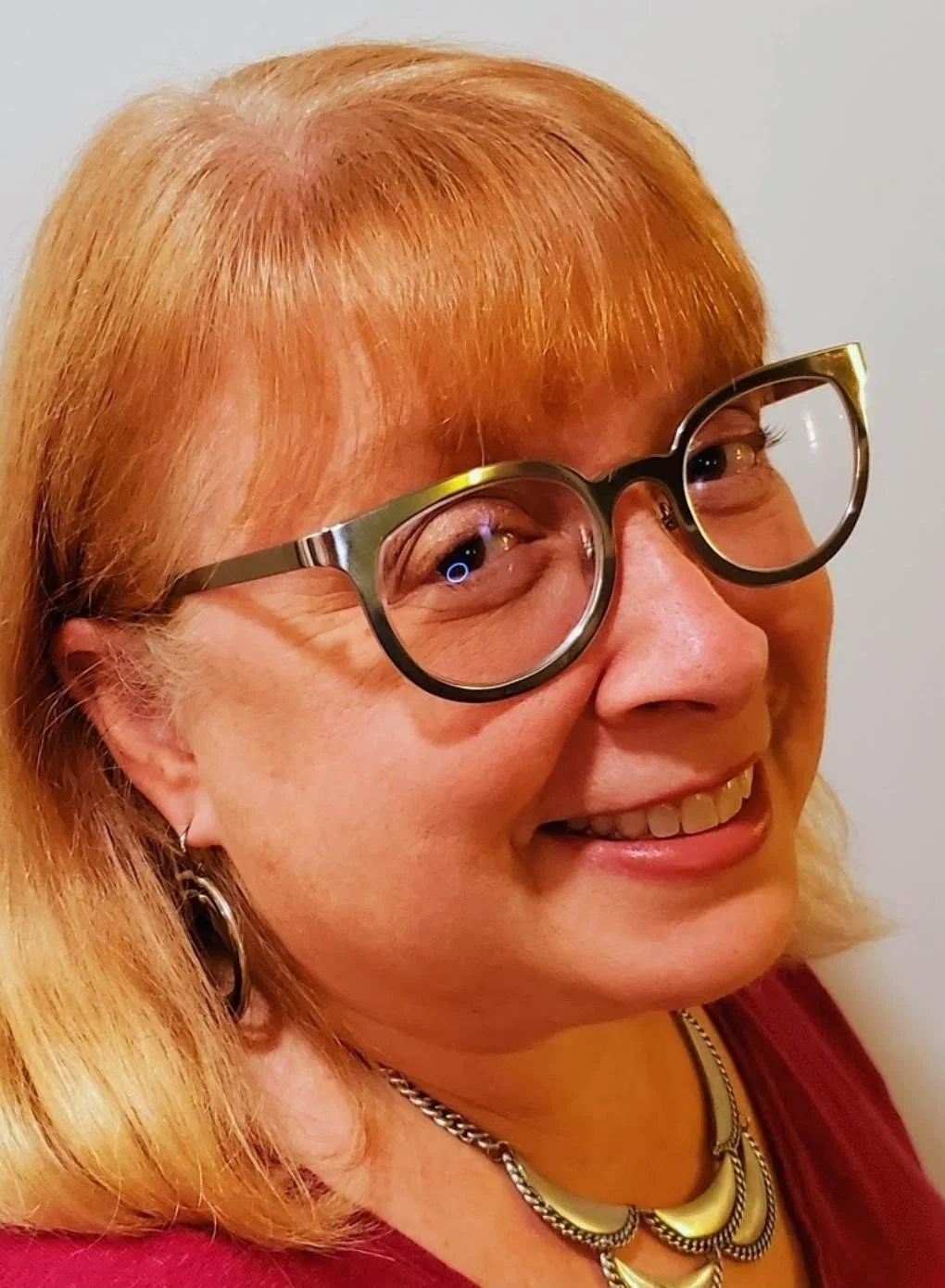
Janna Kimel
FOUNDER AND EXECUTIVE DIRECTOR
Portland, OR
-
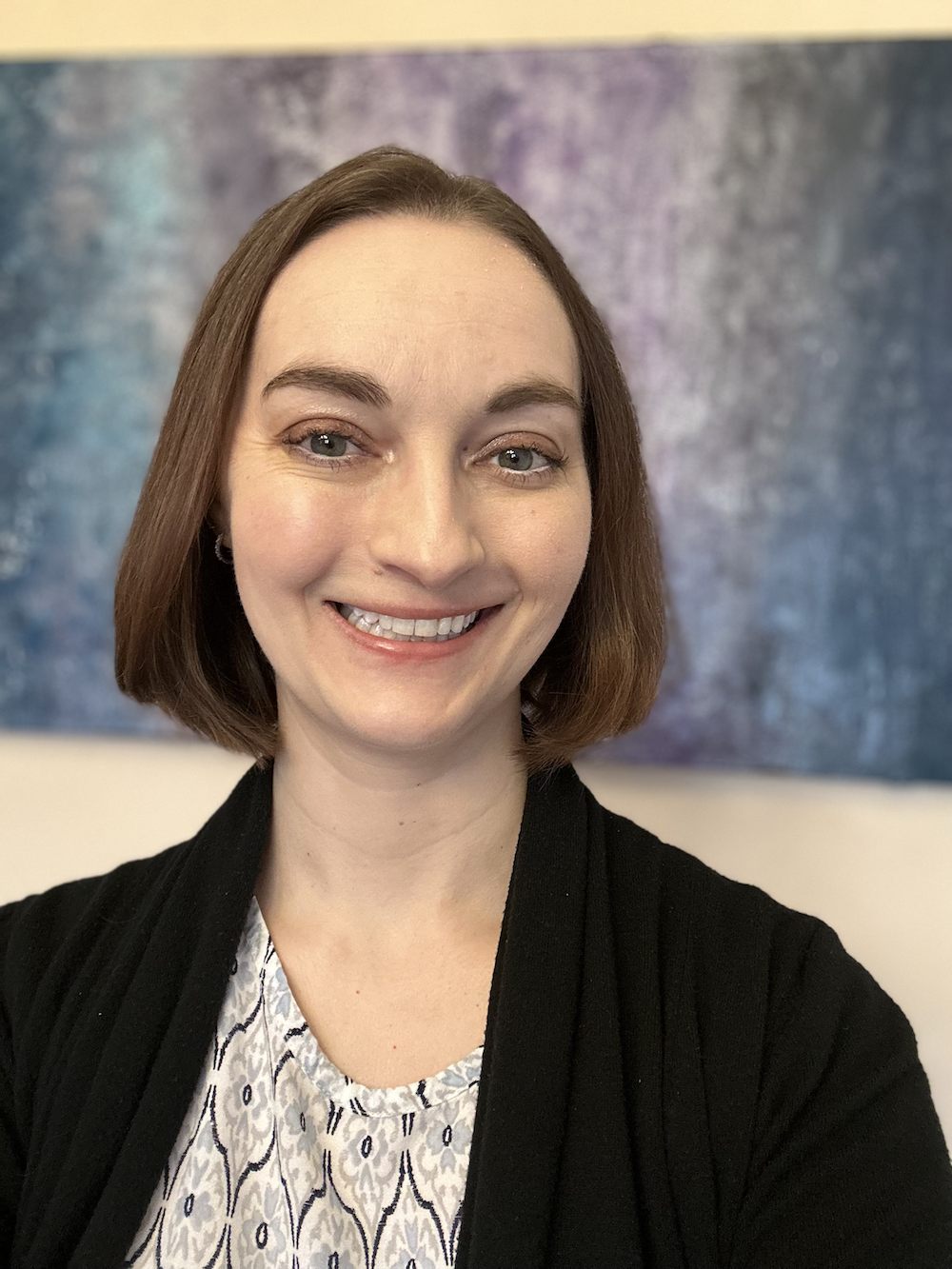
Jennifer Leopoldt Roop
SECRETARY
Grayslake, IL
-
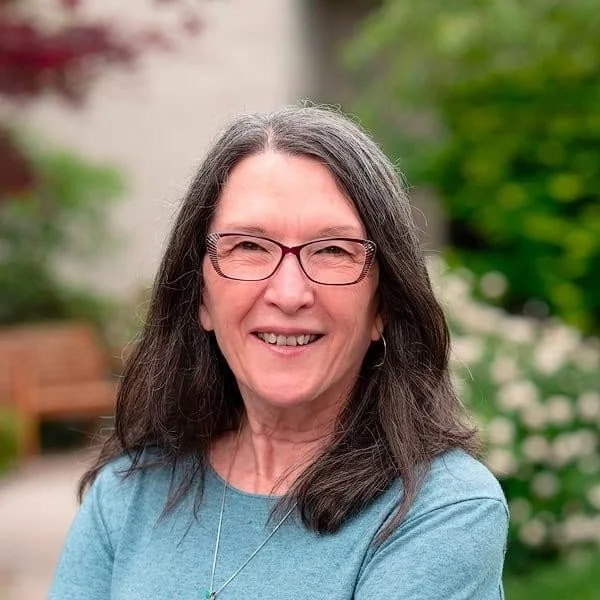
Nancy Vuckovic
BOARD MEMBER
Portland, OR
-
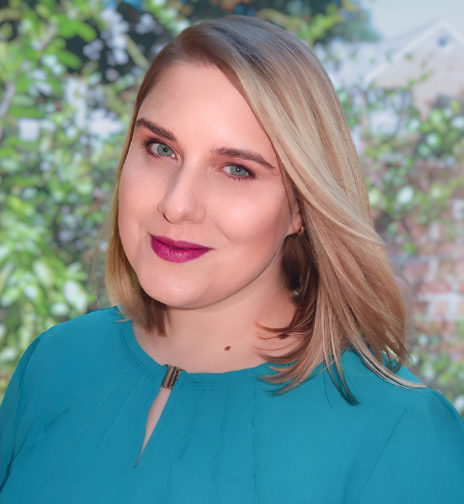
Meredith Mangold
BOARD MEMBER
Washington, DC
-
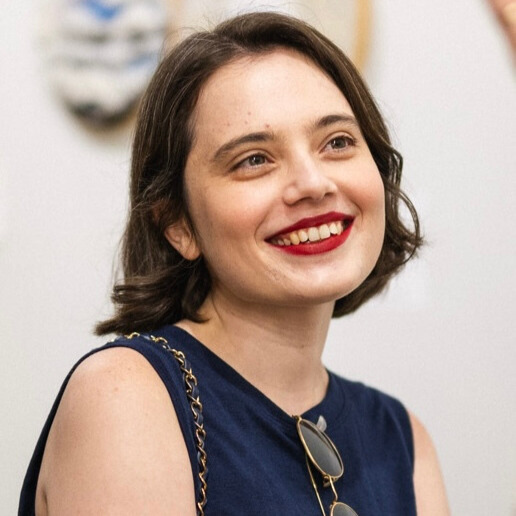
Sarah J McCann
TREASURER
New York City, NY
-
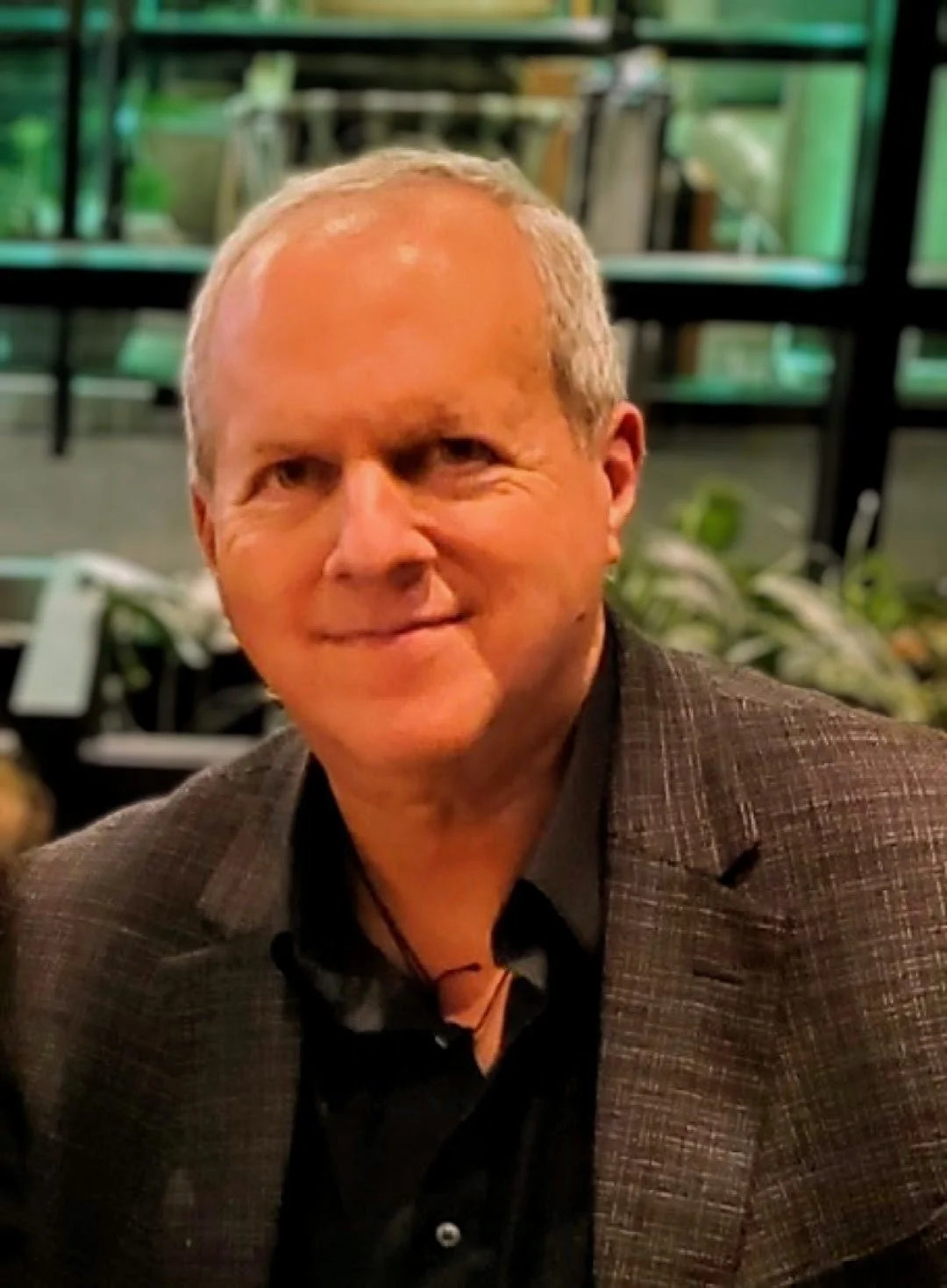
Philip Yassenoff
BOARD MEMBER
Portland, OR
“In resisting pain and trying to block it out, I’d also blocked out beauty and in opening to the pain I opened the door to a wealth of emotions such as love, tenderness and sensitivity.”
— from the book “Mindfulness for Health” by Vidyamala Burch
This project aims to bring visibility to the invisible by promoting and normalizing these conversations about pain.